
The American National Foundation for the fight against breast cancer issued a statement that 200,000 new cases of this disease are registered in America every year. In 1960, one in 20 women was diagnosed with cancer, today one in 7 women is diagnosed.
The facts about this type of cancer are:
The facts about this type of cancer are:
- is the main cause of death in women aged 40 to 55,
- 15% of affected women are under 45 years old and their cancer is quite aggressive and the percentage of recovery is lower,
- about 80% of breast lumps are non-cancerous
- 70% of women find lumps on their own that turn out to be cancerous
- 80% of women diagnosed with breast cancer have no family history of this disease.
The toxic effect of mammogram radiation is finally recognized as a cause of breast cancer development. Several recent studies have concluded that mammograms may do more harm than good to women.
New studies of the British Medical Journal (BritishMedical Journal - December 2011) have confirmed that scanning (screening) can have much more disastrous effects than it can help in the early detection of breast cancer, especially at a younger age when scanning is started. Great harm comes from suggesting that a lumpectomy or mastectomy be performed, as well as other interventions. The study emphasizes that in this case the quality of life itself is lost due to positive, but wrong results and unnecessary treatments.
Mammogram radiation is much more harmful than X-rays.
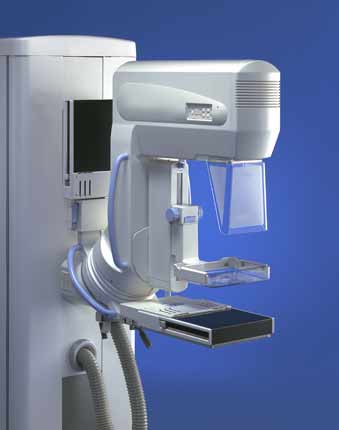
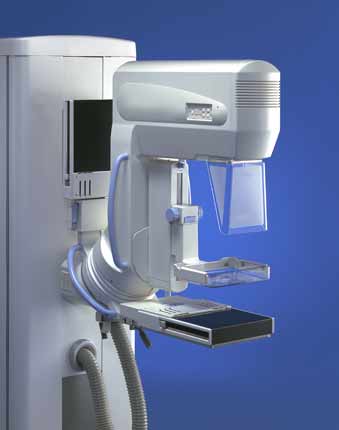
Mammogram uses large doses of ionizing radiation that can be the cause of mutation and the subsequent appearance of breast cancer. According to data, one mammogram scan can be equivalent to using an X-ray machine 1000 times. Mammogram scanning can lead to suppression of breast tissue, which can cause cancer to spread more quickly if it is present.
Leading expert in the field Dr. Samuel Epstein says that one breast scan, in premenopause when they are most sensitive, with a mammogram increases the possibility of getting breast cancer by 1%.
It has even been concluded that mammograms have about 6% false alarms, which can lead to unnecessary treatments. These wrong assessments can lead to several consecutive scans that increase the dose of radiation, and even to the initiation of various treatments such as biopsy, surgical procedures, chemotherapy...
The conclusion that you have cancer even if it is not true can lead to additional stress, which can again result in illness, because stress leads to deterioration of health.
In September 2010, "The New England Journalof Medicine" published its study on the effectiveness of mammograms. The results are far from what health officials would like. The study showed that the death rate was reduced by only 0.4 deaths per 1000 women. This would mean that 2,500 women would need to be scanned for 10 years to avoid one death. This showed that mammography simply does not improve survival rates.
New studies of the British Medical Journal (BritishMedical Journal - December 2011) have confirmed that scanning (screening) can have much more disastrous effects than it can help in the early detection of breast cancer, especially at a younger age when scanning is started. Great harm comes from suggesting that a lumpectomy or mastectomy be performed, as well as other interventions. The study emphasizes that in this case the quality of life itself is lost due to positive, but wrong results and unnecessary treatments.
Mammogram radiation is much more harmful than X-rays.
Mammogram uses large doses of ionizing radiation that can be the cause of mutation and the subsequent appearance of breast cancer. According to data, one mammogram scan can be equivalent to using an X-ray machine 1000 times. Mammogram scanning can lead to suppression of breast tissue, which can cause cancer to spread more quickly if it is present.
Leading expert in the field Dr. Samuel Epstein says that one breast scan, in premenopause when they are most sensitive, with a mammogram increases the possibility of getting breast cancer by 1%.
It has even been concluded that mammograms have about 6% false alarms, which can lead to unnecessary treatments. These wrong assessments can lead to several consecutive scans that increase the dose of radiation, and even to the initiation of various treatments such as biopsy, surgical procedures, chemotherapy...
The conclusion that you have cancer even if it is not true can lead to additional stress, which can again result in illness, because stress leads to deterioration of health.
In September 2010, "The New England Journalof Medicine" published its study on the effectiveness of mammograms. The results are far from what health officials would like. The study showed that the death rate was reduced by only 0.4 deaths per 1000 women. This would mean that 2,500 women would need to be scanned for 10 years to avoid one death. This showed that mammography simply does not improve survival rates.
