
 |
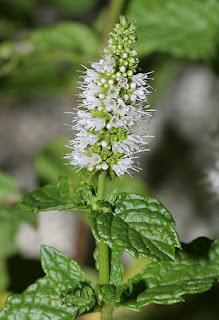
| Nana |
Mint is used as a medicine for:
- soothing
- insomnia
- against gas, bloating and cramps.
- treatment of bile (as an integral part of a mixture of several medicinal plants)
- reduces tension in lung diseases by relaxing the bronchi.
- for regulating high blood pressure
- for bad breath and gum disease
It is successfully used for various diseases in combination with these medicinal plants: motherwort, cumin, fennel, anise, chamomile...
Mint dissolved in alcohol is used to make different tinctures. as such, it can be used externally against pain from neuralgia, rheumatism, colds...
It is also used in the form of capsules. While boiling, mint tea is poured over with boiling water and must not be boiled, because otherwise all useful substances would evaporate. It can be used as a spice during the cooking of various savory dishes.
It is also known by the following names: White mint, dimlyus, lamb's mint, hot mint, merka, mint, peppermint, mint, mint, peppermint, peppermint, peppermint, tame mint, peppermint, black mint.
In the appendix are the Latin names of several types of mint:

- Mentha aquatica
- Mentha arvensis
- Mentha asiatica
- Mentha australis
- Mentha canadensis
- Mentha cervina
- Mentha citrata (syn. M. odorata)
- Mentha crispata
- Mentha cunninghamii
- Mentha dahurica
- Mentha diemenica
- Mentha gattefossei
- Mentha grandiflora
- Mentha haplocalyx
- Mentha japonica
- Mentha kopetdaghensis
- Mentha laxiflora
- Mentha longifolia - ?????? ???????
- Mentha pulegium
- Mentha requienii
- Mentha sachalinensis
- Mentha satureioides
- Mentha spicata (syn. M. viridis)
- Mentha suaveolens (syn. M. rotundifolia)
- Mentha vagans
Experiences have shown that QHRS RELAX CAJ acts on the organism by establishing harmony, especially if there are violent reactions to the influences of the external environment (meteoropathy, changes in weather conditions, temperature and air pressure). As with the physical effects of stressful situations: arrhythmia, pain, tremors, changes in blood pressure, weakness and increased fatigue. With regular use of QHRS RELAX TEA, all weather changes and stressful situations are much easier to bear. Contact: Tel: 064 9400 845
email: biopiramida@gmail.com
