
Diabetes is one of the most widespread chronic conditions today. Type 1 and type 2 diabetes differ in the mechanisms of their occurrence, but they have in common that they require long-term attention, a change in lifestyle habits and continuous support of the body. In addition to conventional therapies, more and more people are exploring natural ways that can help regulate blood sugar balance and a general sense of vitality.
Difference between type 1 and type 2 diabetes
Diabetes type 1 usually occurs at an earlier age and is associated with an autoimmune reaction of the body that stops producing insulin. Type 2 diabetes usually develops later and is associated with insulin resistance - the body does not respond effectively to the insulin it produces.
Although natural approaches do not replace medical therapy, they can play a role in supporting metabolism, digestion, immunity and a daily sense of stability.
Which plants are traditionally used?
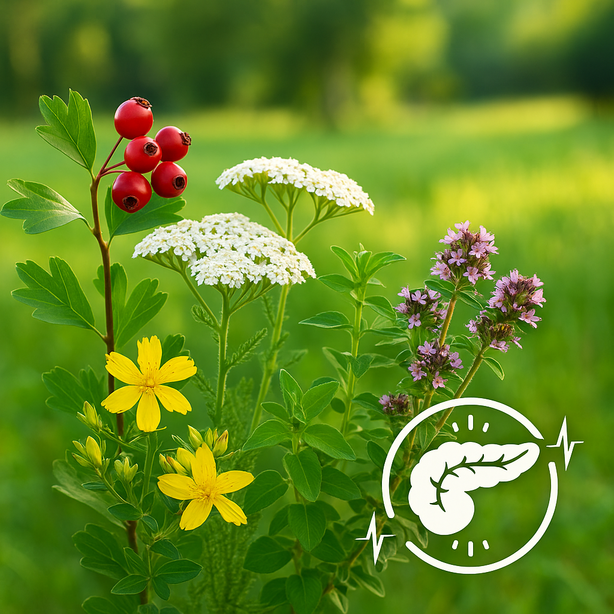
- Hawthorn - known for contributing to circulation and a sense of balance, especially in people with blood pressure and metabolic problems.
- Zdravac and yarrow grass - in folk medicine often used for the general condition of the body, especially as part of detoxification mixtures.
- Horse chestnut – traditionally valued for its effect on capillaries and circulation.
- Thyme - used as a tea or as a supplement to herbal drops, known for its beneficial effect on the body under stress.
These plants are traditionally used in the form of teas, tinctures or combined herbal drops. Correct dosage and consistency in use are important factors in the natural support approach.
Plants are not a substitute - but a support
It is important to emphasize that no plant by itself solves diabetes, nor should it be used as a substitute for therapy. However, with a good diet, physical activity and consultation with experts, herbal support can contribute to a sense of stability, easier appetite regulation and better body resistance.
Conclusion
Nature offers us many useful plants that can be part of a wider approach in balancing the body in people with diabetes. Moderation, being informed and following expert advice remain the most important guidelines. The combination of traditional knowledge and modern approach can contribute to a better quality of life - without extreme solutions and respecting one's own rhythm.
