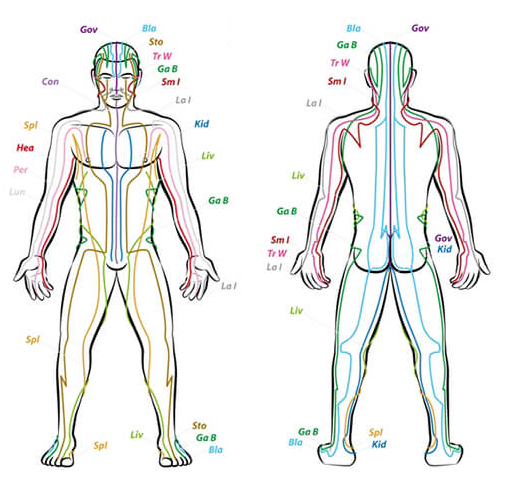
Acupuncture points are specific areas on the body used in acupuncture, traditional Chinese medicine. These points are located along meridians, imaginary lines that run through the body. Acupuncture is a technique that involves inserting fine needles into specific acupuncture points to stimulate the flow of energy, known as "qi" or "chi," through the meridians. This practice aims to preserve the balance of energy in the body and promote general health.
Although acupuncture is traditionally associated with Chinese medicine, many people around the world use it as a complementary therapy for a variety of health problems, including pain, stress, insomnia and other ailments. It is important to note that the use of acupuncture and concepts such as qi energy are not universally accepted within modern Western medicine, but some people find relief from various symptoms using this technique.
Acupuncture has a long history. Acupuncture originated in ancient China, and the first written records of it date back to the Western Han Dynasty (206 BC - 220 AD). Initially, acupuncture was used as part of a broader system of traditional Chinese medicine, which included concepts such as qi energy, meridians, and the balance of yin and yang.
Over the centuries, the acupuncture technique has been developed and perfected. It became increasingly popular in various parts of Asia, including Japan, Korea and Vietnam. Acupuncture became known around the world during the 17th and 18th centuries when European travelers and missionaries brought back reports of the practice from China. However, the acceptance of acupuncture in the Western world was not immediate.
Acupuncture became known in Western countries in the second half of the 20th century. This increase in interest is part of a broader interest in alternative and complementary medical practices. Acupuncture has become popular in the treatment of various conditions, including pain, stress, insomnia and nausea during chemotherapy.
Today, acupuncture is practiced worldwide as a therapeutic option, both within traditional Chinese medicine and as part of integrative medicine. Research is continuing in order to better understand the mechanisms of action of this technique and its potential therapeutic effects.
Acupuncture treatment is usually carried out with the careful application of fine needles to specific acupuncture points on the body. Before treatment begins, the acupuncturist will interview the patient to better understand their symptoms, health history, and general health. This helps the acupuncturist determine which acupuncture points should be stimulated. The patient is usually placed on a table or lounger, and then the points on the body that will be the target for needle placement are identified. The acupuncturist will sterilize the skin where the needles will be placed to reduce the risk of infection.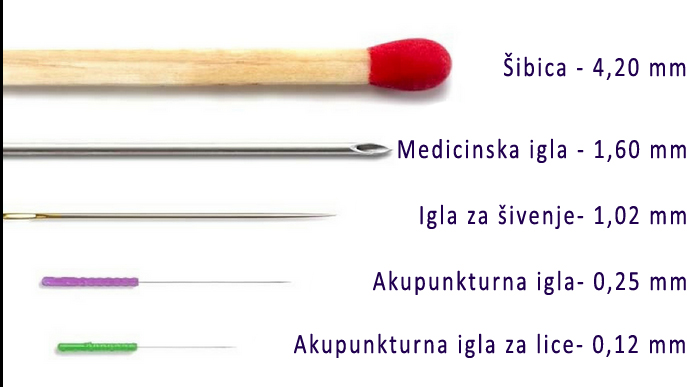
Thin, sterile needles are placed on specific acupuncture points on the body. These points often lie along meridians, the lines that according to traditional Chinese medicine carry energy through the body. After placing the needles, the acupuncturist may gently manipulate, rotate or vibrate them to stimulate specific points. This may cause a slight tingling, numbness or feeling of heaviness. The needles are usually left in place for 15 to 30 minutes. During this time the patient relaxes and allows the treatment to work. After the treatment, the needles are carefully removed. The patient may feel slight redness or marks where the needles were placed, but this usually passes quickly.
It is important to note that acupuncture is an individualized therapy, and treatments are adapted to the specific needs of each patient. People often describe feeling relaxed during and after an acupuncture treatment, but experiences can vary. Before starting any treatment, it is advisable to consult with an expert and find a licensed acupuncturist.
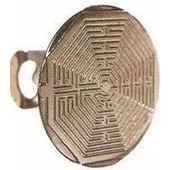
QHRS Acupuncture Earring
Earring for stimulating acupuncture points on the ear.